
After working with hundreds of households, we've identified the most effective low-cost solutions for reducing unwanted noise. These interventions consistently deliver measurable improvements, often reducing ambient sound levels by 5-15 decibels—enough to transform your acoustic experience.
The beauty of these approaches is their accessibility. No special tools, no contractors, no structural modifications. Just thoughtful changes that work with your existing space and budget.
The Five Essential Changes
- 1. Add Heavy Curtains to Windows Windows are acoustic weak points in most homes. Installing heavy, layered curtains—preferably with thermal backing—reduces external noise transmission dramatically. The fabric absorbs sound while the mass blocks transmission. Bonus: improved temperature regulation and energy efficiency.
- 2. Place Rugs Strategically Hard floors reflect sound, creating reverberant spaces that amplify noise. Large area rugs absorb sound and reduce echo, particularly important in high-traffic areas. Focus on spaces where sound bothers you most: under dining tables, in hallways, near entryways. Layering rugs with padding underneath enhances effectiveness.
- 3. Install Simple Door Sweeps The gap under interior doors allows remarkable sound transmission between rooms. Adhesive door sweeps cost less than a coffee and install in minutes, yet dramatically reduce noise bleeding from one space to another. Particularly effective for bedrooms, home offices, and any space where you need isolation.
- 4. Rearrange Furniture Against Shared Walls Bookshelves, wardrobes, and upholstered furniture act as sound barriers when placed against walls adjoining neighbors or noisy rooms. The mass and depth interrupt sound transmission, while books and fabric provide absorption. This is one of the most effective—and most overlooked—acoustic interventions.
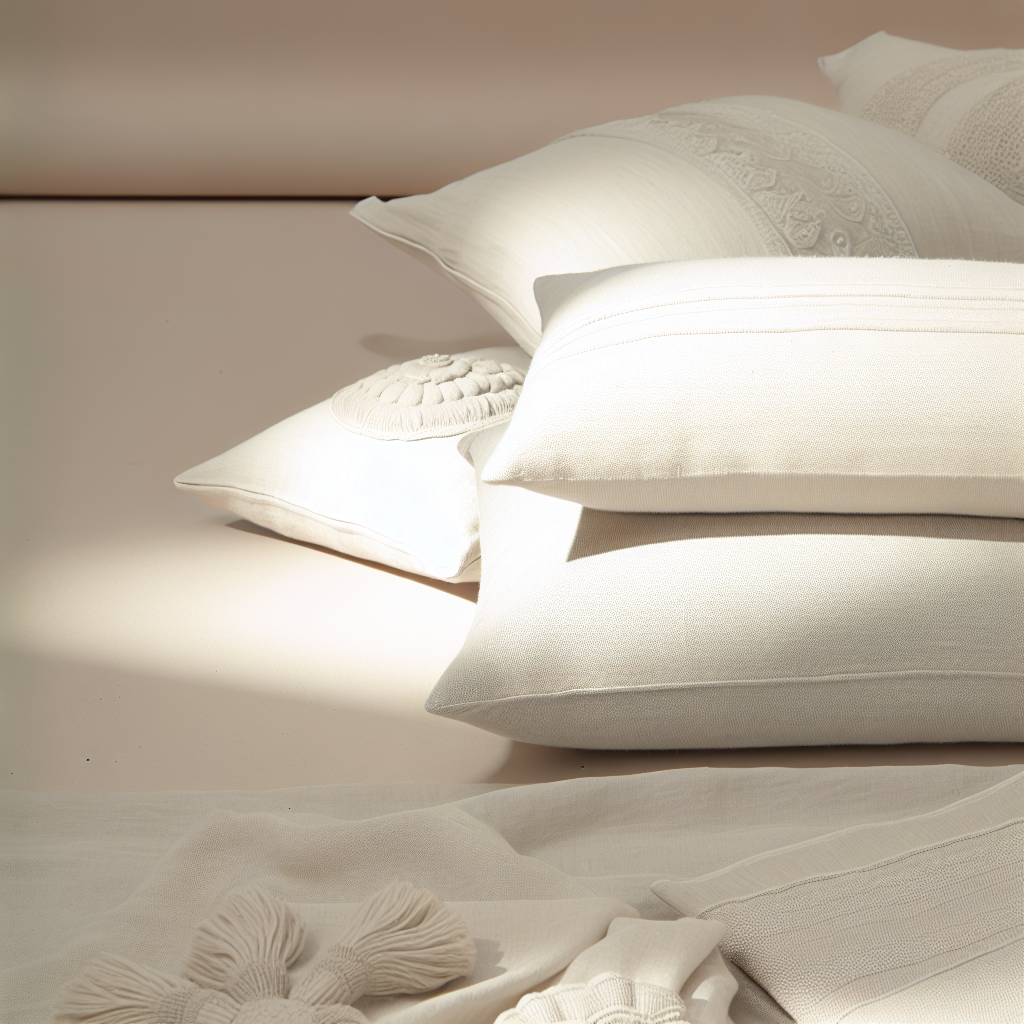
- 5. Introduce Soft Textures Throughout Hard surfaces reflect sound; soft surfaces absorb it. Adding throw pillows, blankets, upholstered furniture, and wall hangings transforms the acoustic character of a room. The cumulative effect of multiple soft elements is surprisingly powerful, reducing reverberation and creating a sense of acoustic intimacy.
Implementation Strategy
Don't attempt all five changes simultaneously. Start with the intervention that addresses your primary noise complaint. Implement it fully, then assess the results before moving to the next change.
This incremental approach helps you understand what works in your specific space. Acoustics are highly context-dependent—room size, construction materials, and noise sources vary dramatically. What transforms one space may have minimal impact in another.

Measuring Success
While professional sound meters provide precise measurements, your subjective experience is what matters most. After each intervention, spend time in the space during typical noise conditions. Notice:
Can you hear conversations more clearly? Does background noise feel less intrusive? Do you notice reduced echo when speaking? These qualitative improvements often matter more than decibel reductions.
Most participants report meaningful change after implementing just two or three of these interventions. The cumulative effect can be transformative, particularly when changes target your specific noise challenges.
Beyond the Basics
These five changes form a foundation. Once implemented, you'll have developed acoustic awareness—the ability to notice how materials, placement, and design choices affect sound. This awareness informs future decisions about furniture, decor, and spatial arrangement.
For those wanting to go further, our Home Acoustics program provides comprehensive guidance on advanced interventions, from DIY acoustic panels to professional soundproofing consultations.
But for most people, these five simple changes deliver the quiet they're seeking. The key is actually implementing them rather than endlessly researching perfect solutions. Start with one. This week. You'll be surprised how much difference it makes.