Urban apartment dwellers face acoustic challenges that homeowners in quieter areas never encounter. Traffic noise, neighboring units, street activity, construction, and mechanical systems create a constant sonic backdrop that can feel inescapable.
Yet many of our most successful case studies come from precisely these environments. The key is understanding that you're not trying to achieve rural silence—you're creating zones of relative quiet within an inherently noisy context. That's both achievable and profoundly beneficial.
Understanding Urban Noise Patterns
Before implementing solutions, spend a few days observing your apartment's noise patterns. When is it loudest? Where does noise enter? Which sounds bother you most?
Urban noise typically follows predictable patterns. Traffic peaks during commute hours. Neighbor noise concentrates in evenings and weekends. Construction operates during business hours. Understanding your specific pattern helps you target interventions effectively.
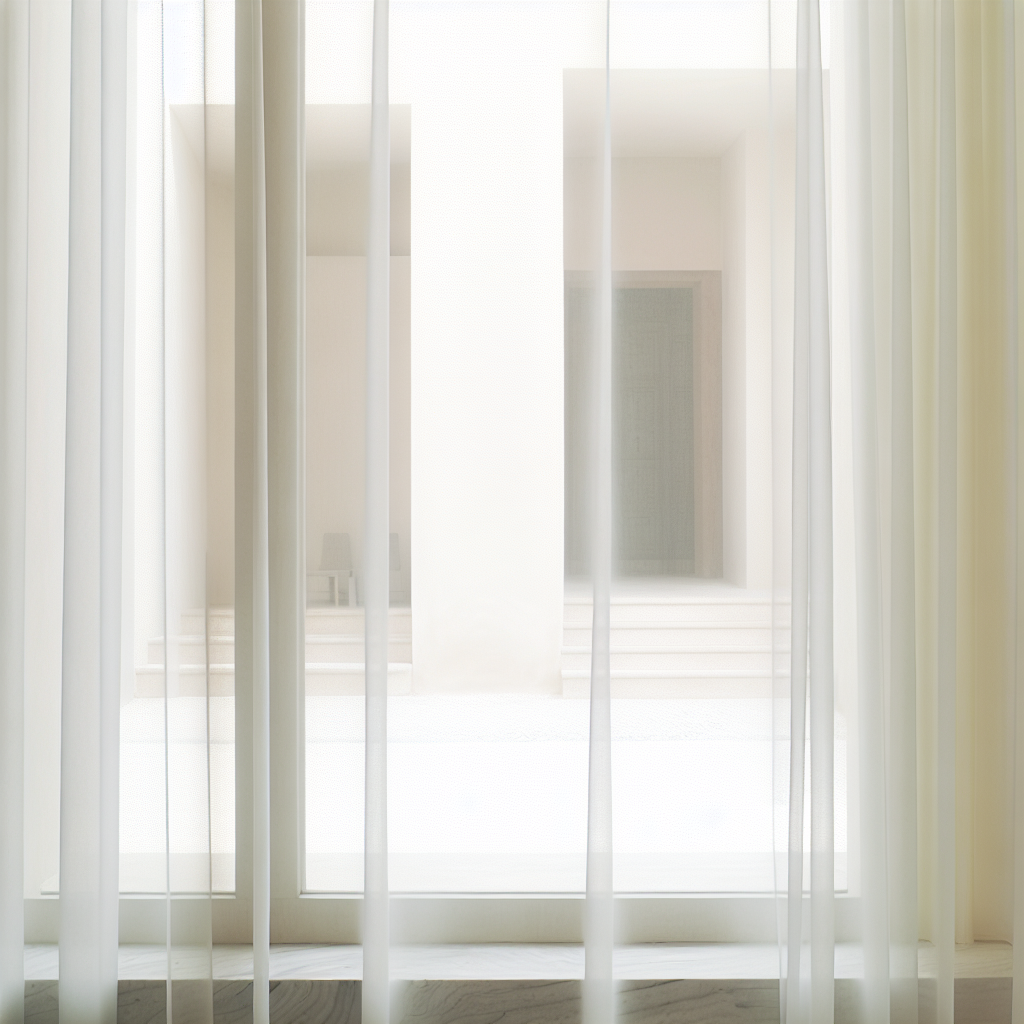
Windows: Your Primary Challenge
In most urban apartments, windows are the acoustic weak point. Single-pane windows offer minimal sound insulation, and even modern double-glazing allows substantial noise transmission.
Since structural modifications usually aren't possible in rental apartments, focus on window treatments. Heavy, layered curtains with thermal backing can reduce external noise by 5-10 decibels—enough to transform your experience. The key is mass and coverage. Full-length curtains that extend beyond the window frame work best.
For extreme situations, consider adding a second layer of sheer curtains behind the heavy ones. This creates an air gap that further improves insulation. It sounds simple, but the cumulative effect of proper window treatment is remarkable.

Interior Acoustic Zones
You can't soundproof the entire apartment, but you can create zones with different acoustic characteristics. Your bedroom should be the quietest zone, followed by work/study areas, with social spaces accepting more noise.
Use furniture as acoustic barriers. A full bookshelf against a shared wall dramatically reduces neighbor noise. A wardrobe between your bedroom and the living area creates separation. Heavy, upholstered furniture absorbs sound and reduces echo.
Don't underestimate the power of strategic placement. Moving your bed away from a noisy wall or rotating your desk to face away from windows can make surprising differences in perceived noise.
Addressing Neighbor Noise
Party walls—the shared surfaces between units—transmit both airborne and structural sound. While you can't modify the wall itself, you can improve its acoustic performance.
Start by adding mass to your side. Large artwork, tapestries, or acoustic panels all help. Then create depth. Anything that adds distance between the wall surface and your living space—bookshelves, wardrobes, even a thick rug hung on the wall—improves isolation.
For ceiling noise from upstairs neighbors, consider adding a thick rug with quality padding in your bedroom. It won't block the sound, but it changes how your space resonates, making transmitted noise less intrusive.

Flooring and Hard Surfaces
Urban apartments often feature hard flooring that reflects sound, creating reverberant spaces that amplify noise. Large area rugs are transformative, particularly in bedrooms and living areas.
Layer rugs where possible—a smaller rug over a larger one creates additional mass and depth. Use thick padding underneath. The investment in quality rugs pays dividends in acoustic comfort far beyond their aesthetic contribution.
Door Sealing
The gap under your apartment door allows remarkable sound transmission from hallways. A simple adhesive door sweep costs less than a meal out and installs in minutes, yet creates genuine separation from corridor noise.
Do the same for interior doors, particularly bedroom doors. This creates acoustic zones within your apartment, allowing you to establish quiet areas even when other spaces are noisy.
Mechanical Noise
Ventilation systems, refrigerators, and building services create constant background noise. While you can't eliminate these sounds, you can minimize their impact.
Ensure appliances are level and stable—vibration amplifies noise. Place rubber pads under appliances to isolate vibration. Check that nothing is rattling or loose. Small adjustments often yield disproportionate improvements.
The Masking Approach
Sometimes reducing noise isn't enough—you need to mask unavoidable sounds. This is where pleasant acoustic elements become strategic tools.
A small fountain creates gentle water sounds that mask traffic noise. A fan provides consistent white noise that obscures variable sounds from neighbors. These aren't solutions themselves, but they can make remaining noise less intrusive.
The key is using masking sounds that feel natural and non-intrusive. Avoid anything with patterns or variations that demand attention.
Creating a Quiet Corner
Even in a studio apartment, you can create a quiet corner—a space optimized for maximum acoustic isolation. Choose the location furthest from external walls and shared surfaces. Surround it with soft furnishings. Add a screen or curtain to create visual and acoustic separation.
This becomes your sanctuary—the place you retreat to when you need genuine quiet. Knowing you have this option dramatically reduces stress, even when the apartment overall remains noisy.
Realistic Expectations
You won't achieve countryside silence in a city apartment. But you can create spaces quiet enough for restorative sleep, focused work, and genuine relaxation. That's the realistic goal, and it's entirely achievable.
Most participants report that reducing ambient noise by 10-15 decibels transforms their experience of urban living. It's not about perfection—it's about meaningful improvement that supports wellbeing.
The cumulative effect of multiple small interventions often exceeds what any single major renovation could achieve. Start with one zone, implement targeted improvements, then expand. You'll be surprised how much quieter your urban apartment can become.