
Every surface in your home is making acoustic decisions for you. Hard marble floors bounce sound endlessly between walls. Thick wool carpets swallow it whole. The materials surrounding us determine whether we live in reverberant echo chambers or enveloping cocoons of quiet.
Understanding material acoustics transforms how you approach home design. Rather than fighting your environment with technology, you can build quietude into the very fabric of your space.
The Physics of Material Sound
Sound behaves differently when it encounters various surfaces. Hard, dense materials reflect sound waves back into the room—think of the way your voice echoes in an empty tiled bathroom. Soft, porous materials absorb sound energy, converting it to tiny amounts of heat rather than reflecting it.
This absorption-reflection spectrum determines a room's reverberation time: how long sound lingers after its source stops. Concert halls are designed for long reverberation, enhancing musical richness. Homes benefit from shorter reverberation times, creating clarity and calm.
Wood: The Acoustic Middle Ground
Wood occupies a unique acoustic position. It's dense enough to block sound transmission between rooms, yet porous enough to provide modest absorption within a space. Different wood types and treatments offer varying acoustic properties.
Solid hardwood floors reflect more sound than softwoods but less than tile or stone. Unfinished or matte-finished wood absorbs more than high-gloss polyurethane coatings. Wood paneling on walls can provide both visual warmth and acoustic improvement, particularly when mounted with air space behind.
The organic irregularity of wood grain also scatters sound waves, reducing harsh reflections without deadening a space entirely. This is why wooden concert halls feel warm rather than clinical.
Stone and Tile: Managing Reflective Surfaces
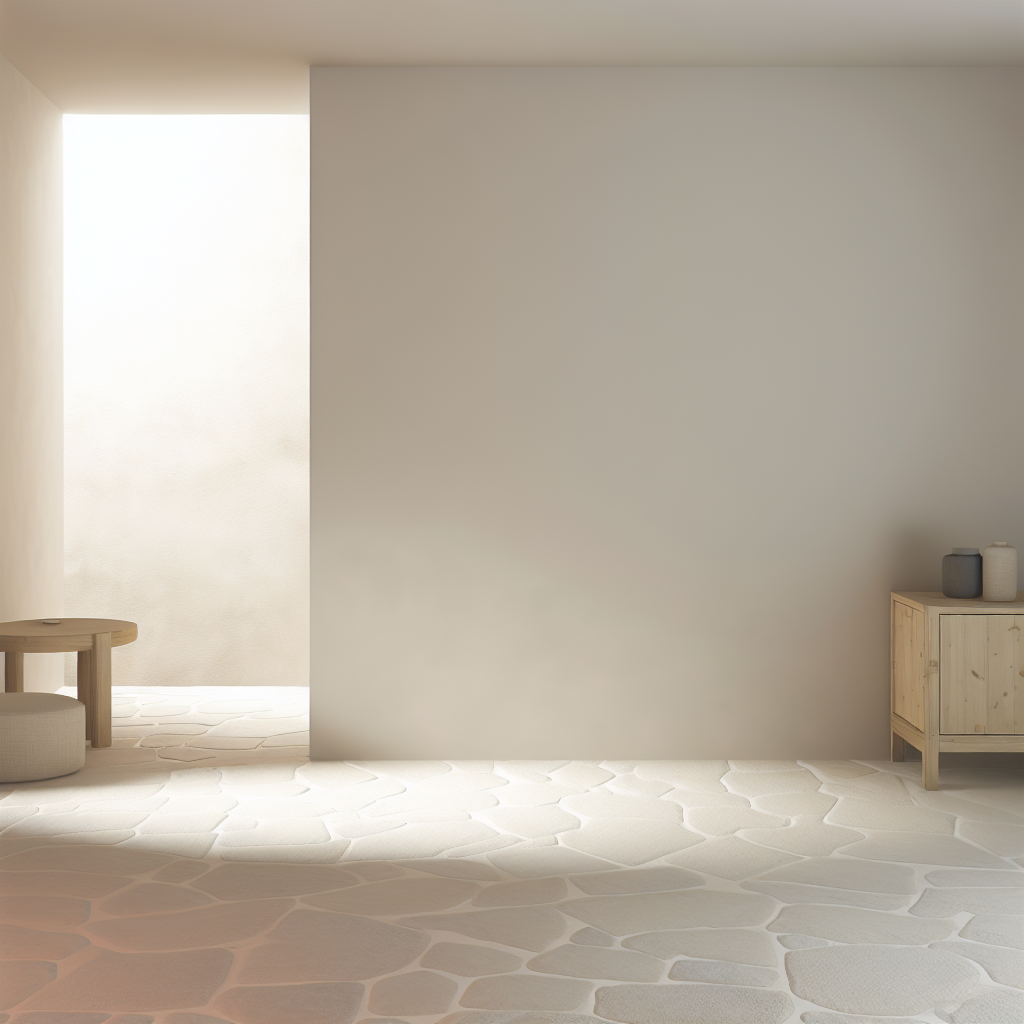
Stone and ceramic tile present acoustic challenges. Their hard, non-porous surfaces reflect sound almost completely, creating bright, reverberant spaces. This isn't inherently problematic—a stone-floored kitchen can feel fresh and alive—but requires balancing with absorptive elements.
If you're committed to stone floors for durability or aesthetics, plan acoustic compensation into your design. Large wool rugs, upholstered seating, and heavy curtains can counterbalance reflective flooring. The key is distributing absorptive materials throughout the space rather than concentrating them.
Textiles: Your Primary Absorption Tool
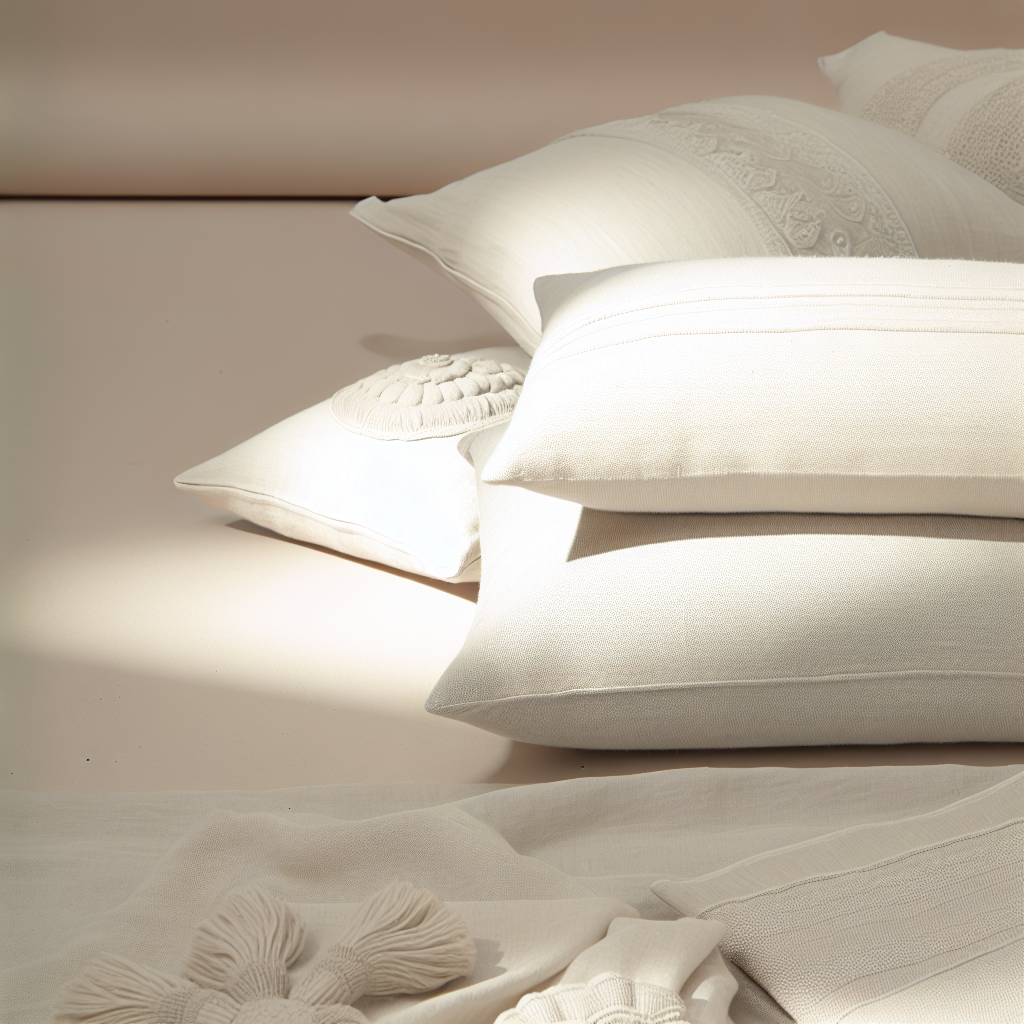
Natural textiles offer the most accessible path to acoustic improvement. Wool, cotton, linen, and silk all absorb sound effectively, with denser weaves and heavier weights providing greater absorption.
- Wool Rugs and Carpets Wool's natural crimp creates millions of tiny air pockets that trap and absorb sound. A substantial wool rug can reduce room reverberation by 20-30%. Layering rugs over pads increases effectiveness further.
- Heavy Curtains and Drapes Floor-to-ceiling curtains in heavyweight fabric provide both window sound insulation and room absorption. Velvet, wool blends, and densely woven linens perform best. Multiple fabric layers amplify the effect.
- Upholstered Furniture Natural fiber upholstery—wool, cotton canvas, linen—absorbs mid and high frequencies effectively. A generously upholstered sofa contributes meaningfully to room acoustics beyond its seating function.
- Wall Hangings and Tapestries Traditional textile wall treatments aren't merely decorative. They break up reflective wall surfaces and add absorption precisely where it's often most needed. Even modest wall textiles make audible differences.
Cork: The Acoustic Specialist
Cork deserves special mention as an acoustic material. Its cellular structure is naturally optimized for sound absorption, while its resilience provides comfort underfoot. Cork flooring reduces both impact noise (footsteps, dropped objects) and airborne sound transmission.
Cork wall tiles offer excellent absorption for home offices or bedrooms where quiet concentration matters. The material's warmth and natural pattern also provide visual interest that synthetic acoustic panels often lack.

Practical Material Selection
When designing or renovating with acoustics in mind, consider these principles:
Balance is essential. Rooms need some reflection to feel alive—completely dead acoustics feel uncomfortable and unnatural. Aim for enough absorption to control reverberation without eliminating it entirely.
Distribute materials thoughtfully. Clustering all soft surfaces in one area leaves other zones acoustically untreated. Spread absorptive elements throughout the room, including ceiling and wall treatments when possible.
Consider the ceiling. Often overlooked, ceilings are large reflective surfaces that significantly impact room acoustics. Exposed beam ceilings with wood or fabric panels between beams offer better acoustics than flat drywall.
The Natural Materials Advantage
Beyond acoustics, natural materials offer benefits that synthetic alternatives struggle to match. They age gracefully, developing character rather than degrading. They regulate humidity, contributing to comfortable indoor environments. They're often more sustainable and healthier than petroleum-based alternatives.
When you choose natural materials for acoustic reasons, you're simultaneously improving air quality, visual warmth, and environmental sustainability. The acoustic benefit becomes part of a larger design philosophy that prioritizes human comfort and environmental responsibility.
Starting Your Material Journey
You needn't renovate entirely to benefit from material acoustics. Start by auditing your current surfaces. Identify the largest reflective areas—typically floors, walls, and ceilings—and consider how natural materials might introduce absorption.
A wool area rug on hardwood floors. Linen curtains replacing blinds. A cork board where sound bounces off a bare wall. These modest interventions begin transforming acoustic character while you consider larger changes.
Material choices compound over time. Each natural, absorptive element you introduce improves the acoustic balance. Eventually, you'll find yourself living in a space that feels quiet not through technology or construction, but through the inherent properties of the materials surrounding you.